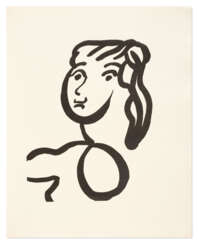
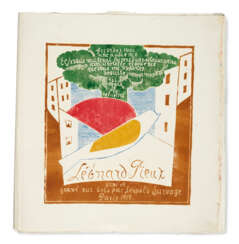
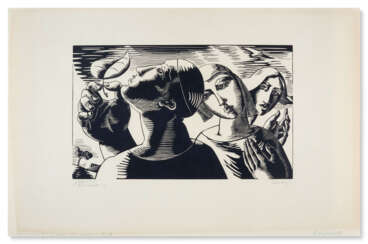
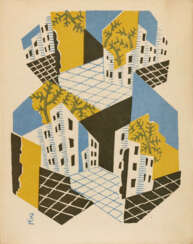
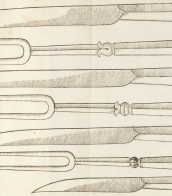
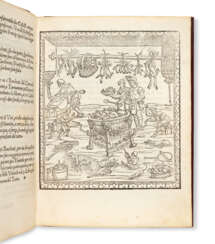
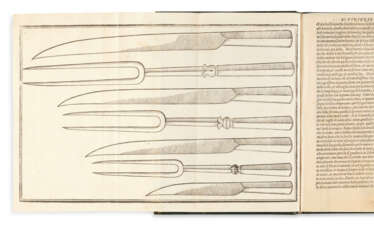
gravures sur bois





![[MENON, Joseph (ca. 1700-1771), attribué à].](/assets/image/picture_2734602/550bf/bdc5d4c5703267b642a818ee1bb8b8f91679526000jpg__fix_374_244.jpeg)
![[MENON, Joseph (ca. 1700-1771), attribué à].](https://veryimportantlot.com/assets/image/picture_2734602/550bf/bdc5d4c5703267b642a818ee1bb8b8f91679526000jpg__fix_374_244.jpeg)


![[GIRAULT, Simon].](/assets/image/picture_2735064/28221/744932e8278d07394bec2e97cf8cd4351679526000jpg__fix_374_244.jpeg)
![[GIRAULT, Simon].](https://veryimportantlot.com/assets/image/picture_2735064/28221/744932e8278d07394bec2e97cf8cd4351679526000jpg__fix_374_244.jpeg)
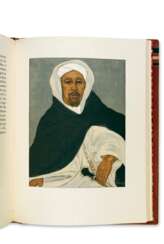





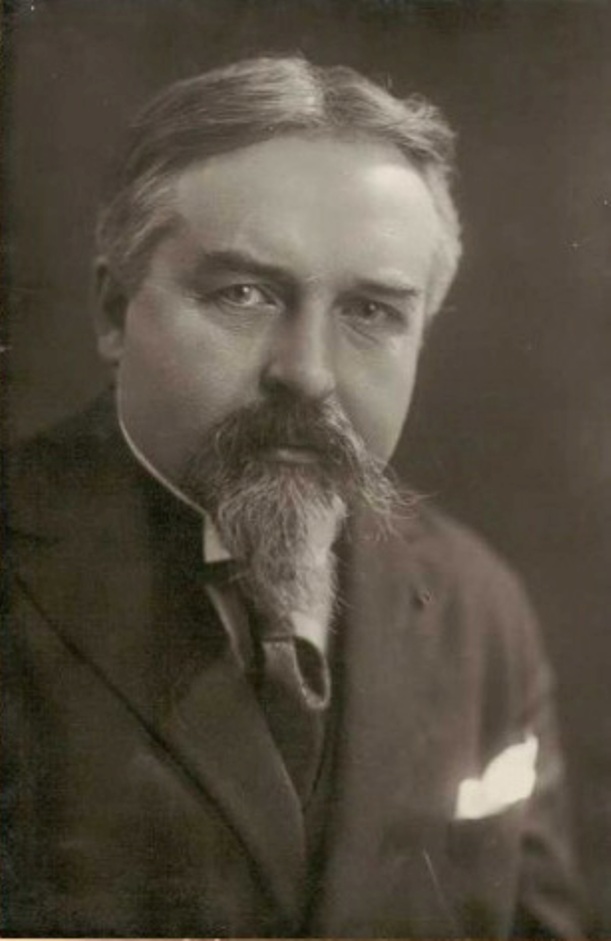
Maurice Denis, a French painter and writer, was an influential figure in the transition from impressionism to modern art. Born on November 25, 1870, in Granville, France, Denis's artistic journey began at the Académie Julian in Paris. Here, he met future collaborators like Paul Sérusier and Pierre Bonnard, with whom he later formed the Nabis group, a collective deriving its name from the Hebrew word "Nabi," meaning "Prophet".
Denis's style evolved from neoimpressionism, influenced by artists like Seurat, to a more decorative and colorful approach under the influence of Gauguin. This shift is evident in works like "Taches du soleil sur la terrace" (1890). He famously stated, "Art is no longer a visual sensation... it is a creation of our spirit," highlighting his belief in art as an idealistic expression, transcending mere imitation of nature.
Denis was also impacted by Japanese art, which influenced his compositions and styles, contributing to his unique and recognizable approach. His philosophy on art, encapsulated in his 1890 essay published in "Art et Critique," emphasized the importance of color and form in creating emotional depth, a notion that laid the groundwork for modernism. He argued that a painting's essence lies in its colors and composition, rather than its subject matter.
Throughout his career, Denis's work evolved towards a more classical approach. His involvement with the Ateliers d'Art Sacré, founded in 1919, demonstrated his interest in religious art and decoration. His notable works include "The Legend of Saint Hubert" (1897) and "The History of Music" for the Théâtre des Champs Elysées (1912-1913).
Tragically, Maurice Denis's life ended on November 13, 1943, when he was struck by a truck during the German occupation of Paris. However, his legacy endures through his contributions to modern art and symbolism, his influence on fellow artists, and his works displayed in various museums and galleries.
For collectors and art experts, Denis's work offers a unique glimpse into the evolution of modern art. His blend of symbolism, color, and form marks a significant shift in art history. To stay updated on new sales and auction events related to Maurice Denis's work, sign up for our newsletter. This subscription will keep you informed about the latest developments in the world of this remarkable artist.
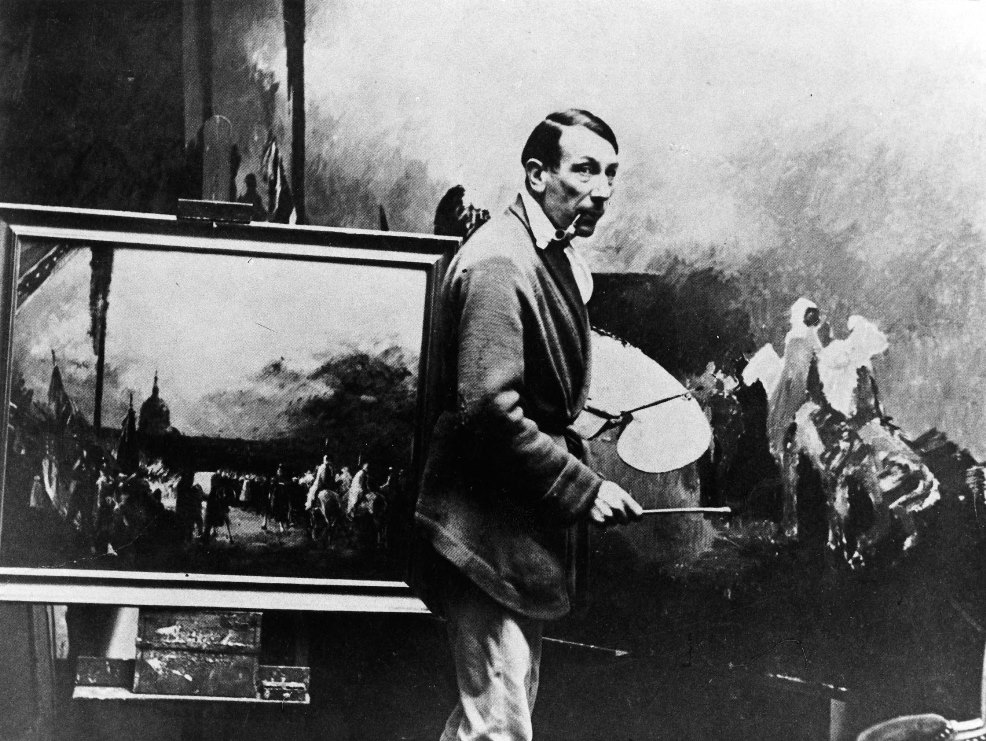
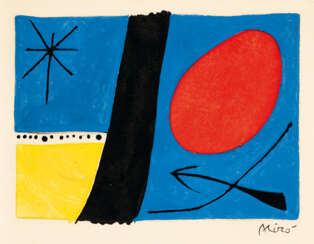

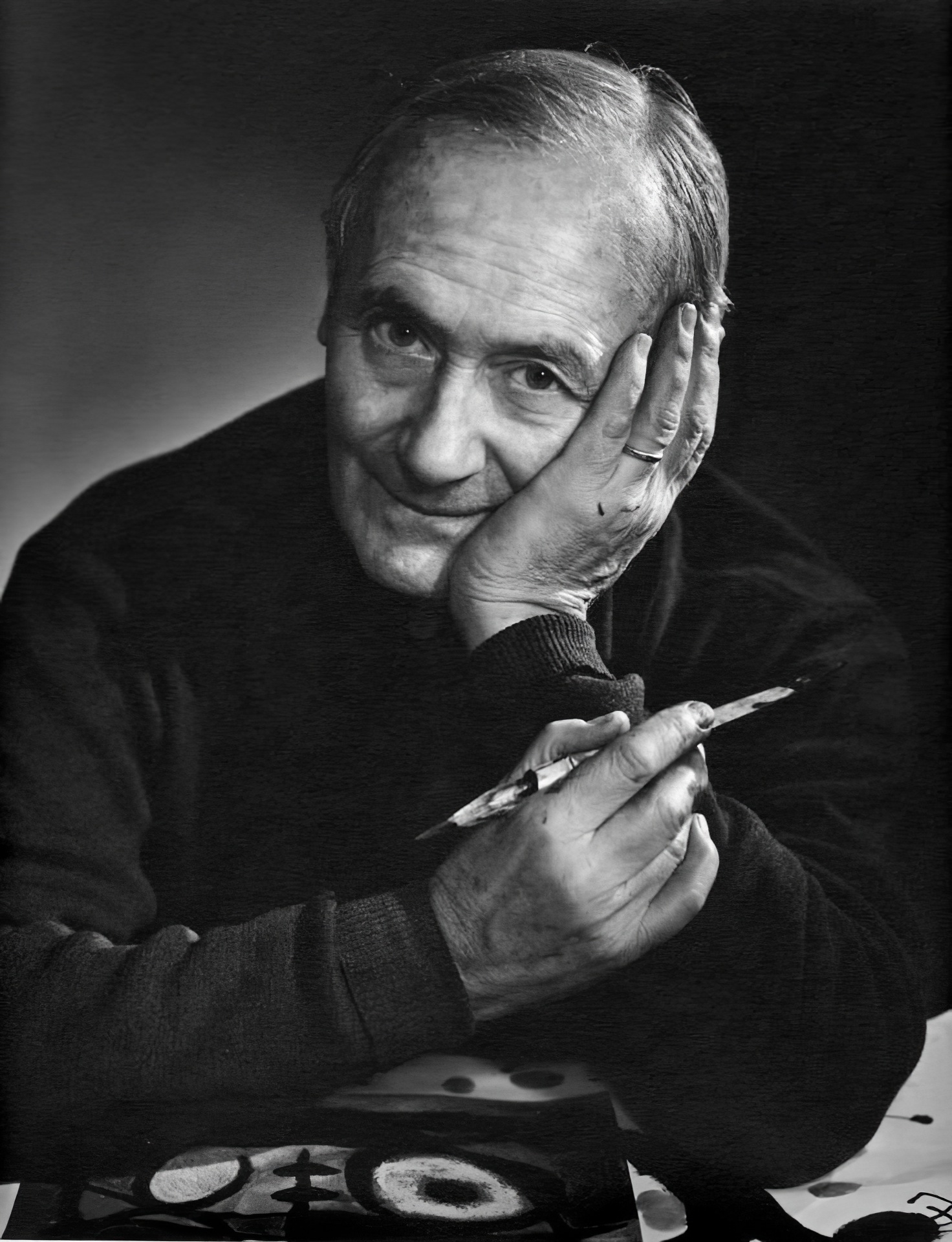
Joan Miró, a celebrated Spanish artist, was a master in painting, sculpture, and ceramics, renowned for his unique style that blurred the lines between Surrealism, Fauvism, and Expressionism. Born in Barcelona to a family of a goldsmith and a watchmaker, Miró grew up immersed in the rich cultural heritage of the Barri Gòtic neighborhood. His artistic journey began with drawing classes at the age of seven and continued at the prestigious La Llotja art academy. Despite an initial venture into the business world, Miró's passion for art prevailed, leading him to abandon his clerical career after a nervous breakdown.
Miró's work is noted for its exploration of the subconscious, often depicting a childlike perspective. This approach was both a critique of traditional painting methods and a means of expressing Catalan pride. His art, challenging to categorize, often featured symbolic elements and nationalistic qualities. One of his notable early works, "The Farm," reflects a transition to a more individual style, blending elements of his Catalan roots with broader artistic influences. This piece, later purchased by Ernest Hemingway, encapsulated the essence of Spain in its imagery.
In Paris, Miró joined the Surrealist movement in 1924, where his work began to reflect the influence of automatism, emphasizing spontaneous, automatic, or subconscious creation. He experimented with various mediums, including painting-poetry and collage, and even ventured into set and costume design for Sergei Diaghilev's Ballets Russes.
During World War II, Miró remained in Spain, and his work from this period, including the 22 Constellations series, reflected an interest in the night, music, and stars. His forms became increasingly abstracted, and he experimented with various techniques, often incorporating primary colors and evocative titles.
Miró's career spanned several decades, during which he continually evolved his style and explored new mediums. His contributions to art were recognized with numerous awards and retrospectives, including a major career retrospective at MoMA in 1941 and the Spanish Gold Medal for Fine Arts in 1980. Among his last major works was a tapestry for the World Trade Center in New York City, created in 1974.
For art collectors and enthusiasts, Joan Miró remains a figure of immense interest, not only for his distinct style and contributions to Surrealism but also for his ability to blend poetic imagery with political commentary. To stay updated on new product sales and auction events related to Joan Miró, sign up for our updates and immerse yourself in the world of this extraordinary artist.


Georges Rouault was a French painter, printmaker and ceramicist whose profound works combined art and spirituality, making him a key figure in the contemporary art world. Born into a modest family in Paris during the turbulent times of the Paris Commune, Rouault's early exposure to art came through his grandfather's collection of lithographs by Honoré Daumier. His initial apprenticeship in a glazier's workshop had a profound influence on his artistic style, especially his work with stained glass, which later became a hallmark of his painting technique.
Rouault's career took a significant turn under the tutelage of Symbolist painter Gustave Moreau, who introduced him to avant-garde circles, leading Rouault into the Fauvist movement alongside Henri Matisse. However, Rouault's unique approach was characterized by a more instinctive and spontaneous style that was deeply influenced by Vincent van Gogh and which eventually led him to Expressionism. His works from this period, dealing with subjects such as courts, clowns, and prostitutes, served as a form of moral and social criticism, motivated by his deep Christian faith and concern for human nature. This period marked a significant evolution in Rouault's style; his paintings reflect a mixture of religious iconography and human suffering, demonstrating his mastery of conveying deeply emotional and spiritual stories.
One of Rouault's most notable contributions to art was his involvement in the scenography for Sergei Diaghilev's ballet The Prodigal Son and his famous series of paintings and prints such as Miserere. His later works are renowned for their explosive use of color and texture, highlighting his mastery of expressing the spiritual harmony and beauty of nature. The end of Rouault's career was marked by a gesture of humility and dedication to his craft: he destroyed a significant number of his unfinished works, feeling that he could not complete them to his satisfaction.
Rouault's legacy has been preserved through his impressive works in renowned museums and galleries around the world. His art continues to inspire and resonate with collectors, experts and lovers of art and antiques, serving as a testament to his enduring influence on the art world.
For those deeply interested in exploring the life and work of Georges Rouault, it is important to stay abreast of new discoveries, sales, and auction events related to his art. We encourage you to subscribe to updates so that you don't miss out on the opportunity to engage with the legacy of this remarkable artist. This subscription will be your gateway to the world of Georges Rouault, offering exclusive insights into his contribution to contemporary art.
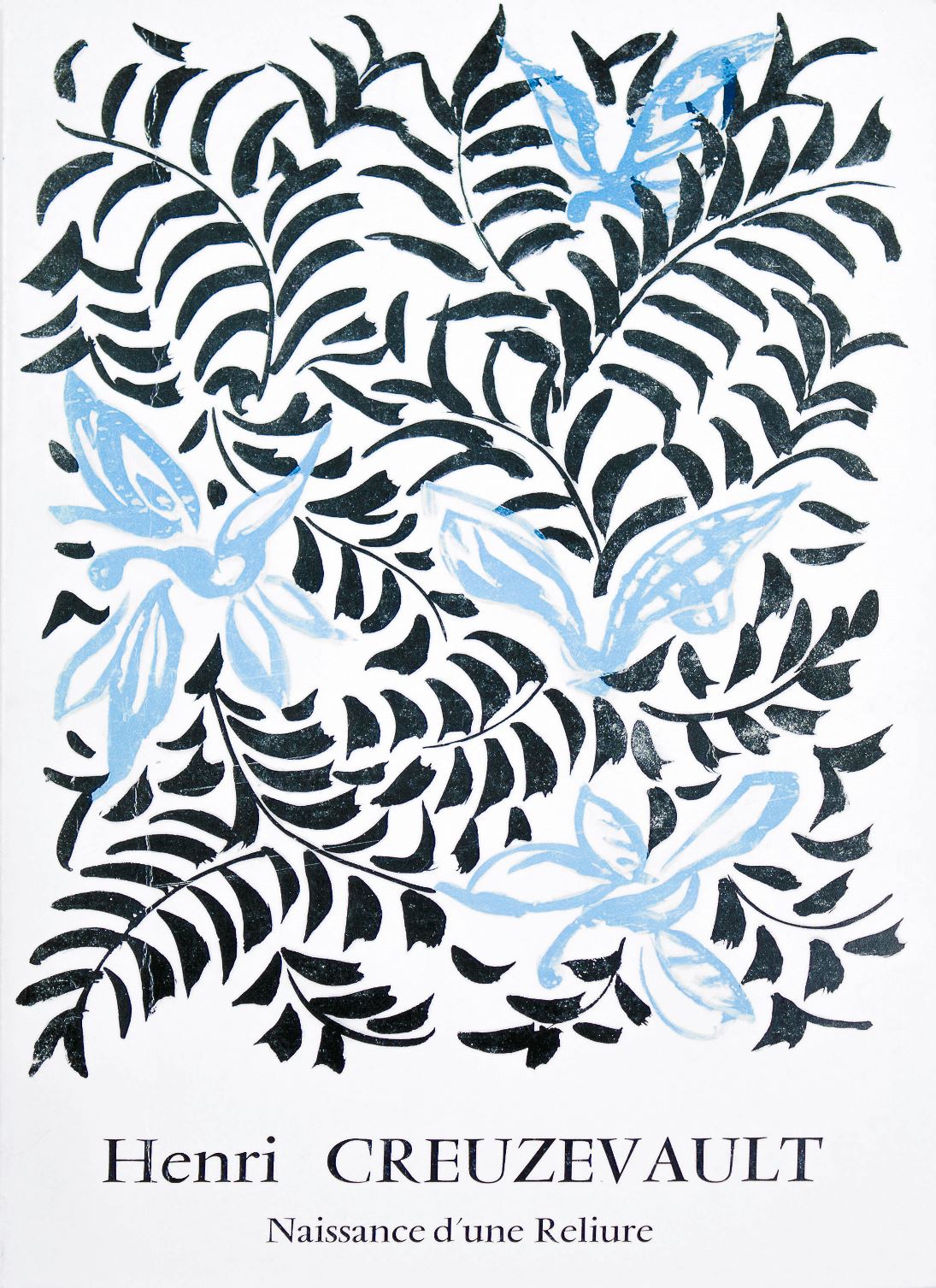
Henri Creuzevault was a French publisher, bookbinder and restorer.
In his youth he worked alongside his father, the bookbinder Louis Creuzevault. Together with him, Henri participated in an exhibition at the Musée Gallière in 1928 and received his first award, and in 1930 he became the owner of the workshop. In addition to bookbinding, he began publishing luxury books, commissioning illustrations from contemporary artists. Since then, he has been involved in both publishing and bookbinding at the same time.
At the 1937 International Exhibition, Henri Creuzevault won the First Prize for bookbinding. In 1946, he participated in the creation of the Original Bookbinding Society and took part in its exhibitions and in various book events in France and abroad. He also won a gold medal at the 1954 Milan Triennale. In 1937, the city authorities of Paris commissioned him to make bindings for gifts to the English princesses Elizabeth and Marguerite, as well as for the Golden Book of the Albert I Monument.
With his work, Henri Creuzevault created a new aesthetic concept oriented towards the freest expressions of the modern art of bookmaking.


Joan Miró, a celebrated Spanish artist, was a master in painting, sculpture, and ceramics, renowned for his unique style that blurred the lines between Surrealism, Fauvism, and Expressionism. Born in Barcelona to a family of a goldsmith and a watchmaker, Miró grew up immersed in the rich cultural heritage of the Barri Gòtic neighborhood. His artistic journey began with drawing classes at the age of seven and continued at the prestigious La Llotja art academy. Despite an initial venture into the business world, Miró's passion for art prevailed, leading him to abandon his clerical career after a nervous breakdown.
Miró's work is noted for its exploration of the subconscious, often depicting a childlike perspective. This approach was both a critique of traditional painting methods and a means of expressing Catalan pride. His art, challenging to categorize, often featured symbolic elements and nationalistic qualities. One of his notable early works, "The Farm," reflects a transition to a more individual style, blending elements of his Catalan roots with broader artistic influences. This piece, later purchased by Ernest Hemingway, encapsulated the essence of Spain in its imagery.
In Paris, Miró joined the Surrealist movement in 1924, where his work began to reflect the influence of automatism, emphasizing spontaneous, automatic, or subconscious creation. He experimented with various mediums, including painting-poetry and collage, and even ventured into set and costume design for Sergei Diaghilev's Ballets Russes.
During World War II, Miró remained in Spain, and his work from this period, including the 22 Constellations series, reflected an interest in the night, music, and stars. His forms became increasingly abstracted, and he experimented with various techniques, often incorporating primary colors and evocative titles.
Miró's career spanned several decades, during which he continually evolved his style and explored new mediums. His contributions to art were recognized with numerous awards and retrospectives, including a major career retrospective at MoMA in 1941 and the Spanish Gold Medal for Fine Arts in 1980. Among his last major works was a tapestry for the World Trade Center in New York City, created in 1974.
For art collectors and enthusiasts, Joan Miró remains a figure of immense interest, not only for his distinct style and contributions to Surrealism but also for his ability to blend poetic imagery with political commentary. To stay updated on new product sales and auction events related to Joan Miró, sign up for our updates and immerse yourself in the world of this extraordinary artist.

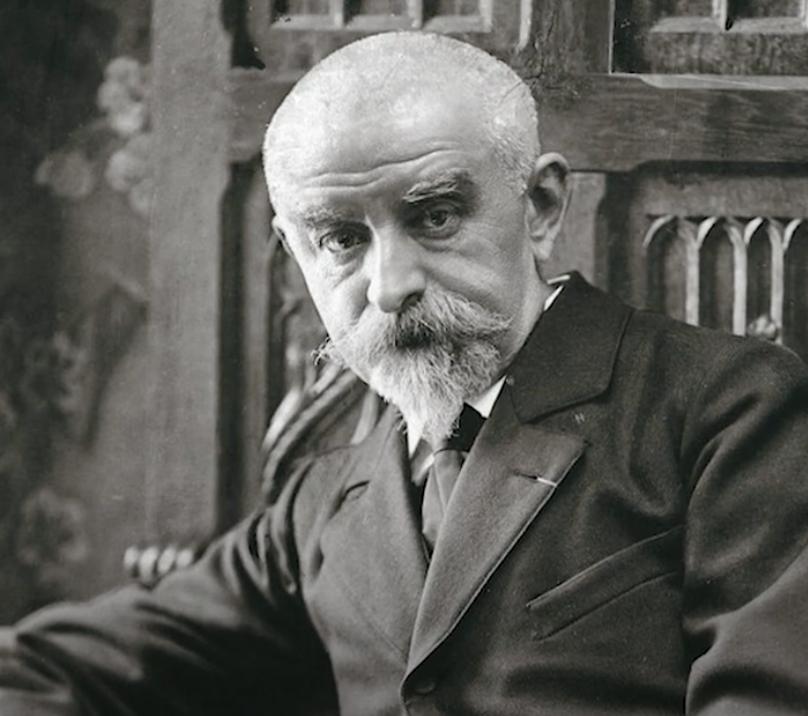
Joris-Karl Huysmans, real name Harles-Georges-Marie Huysmans, was a French writer and poet, the first president of the Goncourt Academy.
Huysmans' father was Dutch, and he always emphasized this fact. At the age of 20, the aspiring writer began working as an official in the French Ministry of the Interior, where he served all his life.
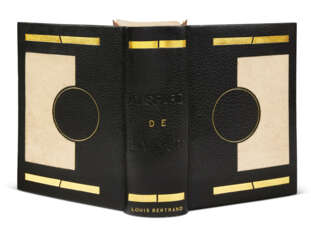
Huysmans received the greatest fame thanks to the novel À rebours ("Against Nature"). The main appeal of this writer's work lies in its autobiographical content. And his style is characterized by a wide vocabulary of the French language, a wealth of detailed and sensual descriptions, as well as sharp satirical wit. The novels are also notable for their encyclopedic documentation, ranging from a catalog of decadent Latin authors in À rebours to a discussion of the symbolism of Christian architecture in La Cathédrale.
In his work, Huysmans expresses a distaste for modern life and a deep pessimism, but in his writings one can trace the stages of intellectual life in late nineteenth-century France. Joris-Karl Huysmans was one of the earliest proponents of Impressionism. He was also a renowned literary critic and one of the founders and first president of the Goncourt Academy.



Georges Rouault was a French painter, printmaker and ceramicist whose profound works combined art and spirituality, making him a key figure in the contemporary art world. Born into a modest family in Paris during the turbulent times of the Paris Commune, Rouault's early exposure to art came through his grandfather's collection of lithographs by Honoré Daumier. His initial apprenticeship in a glazier's workshop had a profound influence on his artistic style, especially his work with stained glass, which later became a hallmark of his painting technique.
Rouault's career took a significant turn under the tutelage of Symbolist painter Gustave Moreau, who introduced him to avant-garde circles, leading Rouault into the Fauvist movement alongside Henri Matisse. However, Rouault's unique approach was characterized by a more instinctive and spontaneous style that was deeply influenced by Vincent van Gogh and which eventually led him to Expressionism. His works from this period, dealing with subjects such as courts, clowns, and prostitutes, served as a form of moral and social criticism, motivated by his deep Christian faith and concern for human nature. This period marked a significant evolution in Rouault's style; his paintings reflect a mixture of religious iconography and human suffering, demonstrating his mastery of conveying deeply emotional and spiritual stories.
One of Rouault's most notable contributions to art was his involvement in the scenography for Sergei Diaghilev's ballet The Prodigal Son and his famous series of paintings and prints such as Miserere. His later works are renowned for their explosive use of color and texture, highlighting his mastery of expressing the spiritual harmony and beauty of nature. The end of Rouault's career was marked by a gesture of humility and dedication to his craft: he destroyed a significant number of his unfinished works, feeling that he could not complete them to his satisfaction.
Rouault's legacy has been preserved through his impressive works in renowned museums and galleries around the world. His art continues to inspire and resonate with collectors, experts and lovers of art and antiques, serving as a testament to his enduring influence on the art world.
For those deeply interested in exploring the life and work of Georges Rouault, it is important to stay abreast of new discoveries, sales, and auction events related to his art. We encourage you to subscribe to updates so that you don't miss out on the opportunity to engage with the legacy of this remarkable artist. This subscription will be your gateway to the world of Georges Rouault, offering exclusive insights into his contribution to contemporary art.


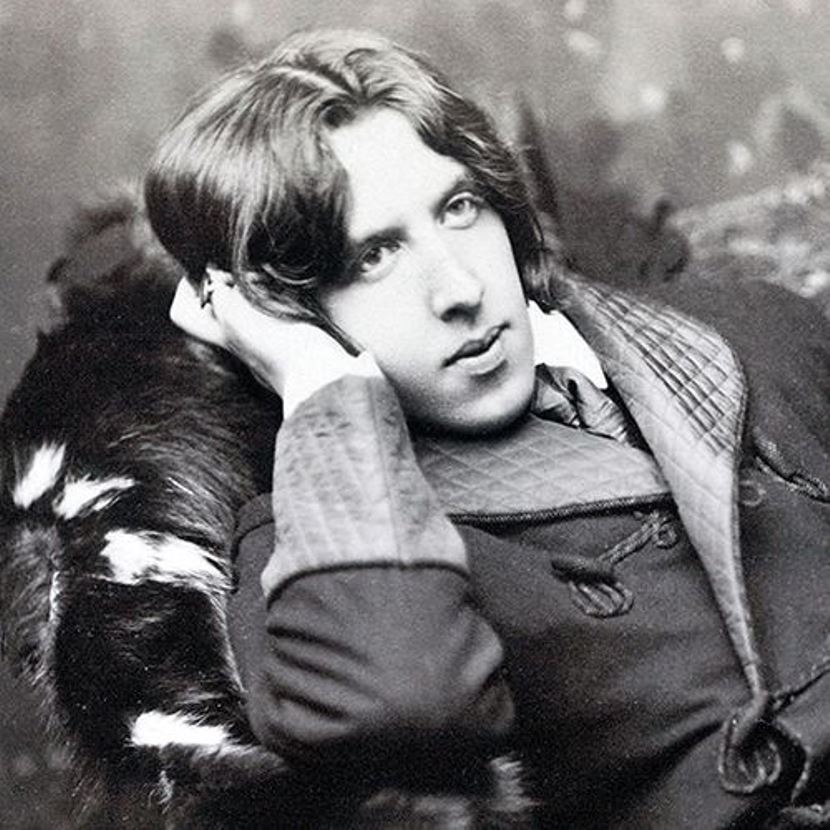
Oscar Fingal O'Flahertie Wills Wilde - Irish writer, poet, philosopher and playwright, a bright representative of the literature of the Victorian period.
Oscar's parents were fond of literature and history, gave their son an excellent education. After graduating from Oxford University, Oscar moved to London, where he quickly entered the circle of secular society. His first book, a collection of poems, was published in 1881. Over the next year, the aspiring writer traveled across America with lectures on art. Then he traveled to France, where he met key figures of French literature of the time - Victor Hugo, Paul Verlaine, Emile Zola and others. Returning to his homeland, Oscar married, thanks to which his children's fairy tales appeared. His popularity grew rapidly, his work was favorably reviewed by Bernard Shaw.
Next, "The Crime of Lord Arthur Seville", "The Canterville Ghost", "The Sphinx without a riddle" were written. In 1890 Oscar Wilde wrote the novel "The Portrait of Dorian Gray", which was considered immoral in high society, but it brought the author the greatest fame. This novel is still considered a classic of world literature to this day. In the early 1890s Oscar Wilde wrote comedy plays "Lady Windermere's Fan", "A Woman Not Worth Watching", "An Ideal Husband" and "How Important It Is to Be Serious". In them, the author shows himself a master of witty dialog. During his life, Wilde wrote nine plays, one novel, many poems, stories and essays.
Bright and full life of a successful and talented writer ended when he met Lord Alfred Douglas. For this scandalous connection with the man, Oscar Wilde was sentenced to two years in prison. After leaving prison, he settled in France under an assumed name, abandoned by everyone. He wrote his last work, the autobiographical "Ballad of Reading Prison" two years before his death at the age of 46.
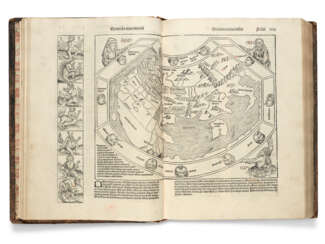

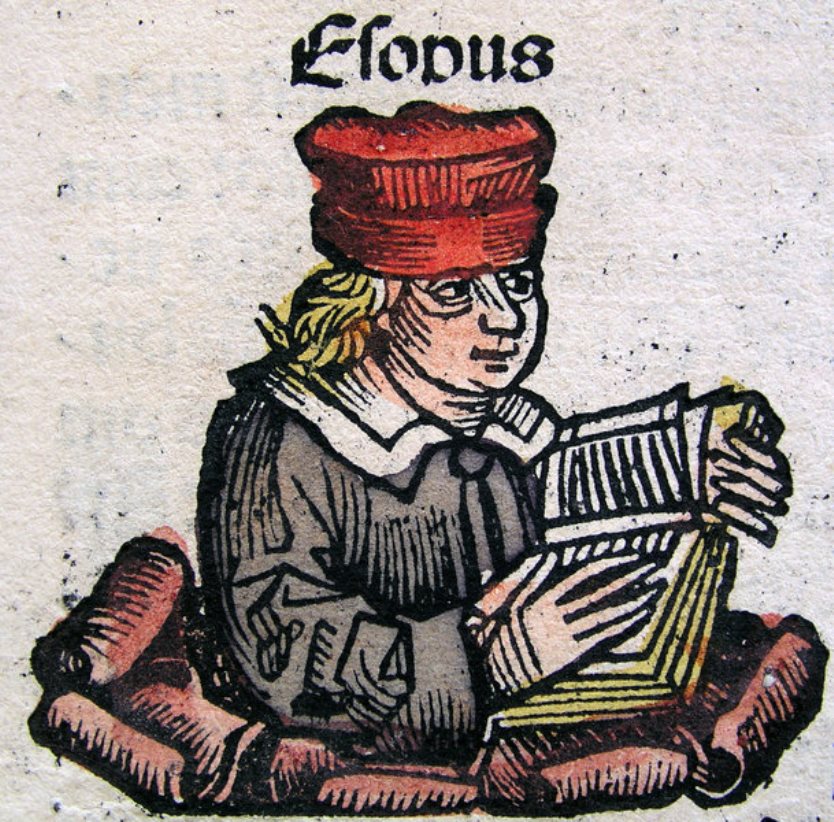
Hartmann Schedel was a German humanist, medical scientist, historian and chronicler.
Schedel was the first to compile a world chronicle, the so-called Visual History of the Earth from the Creation of the World to the 1490s, known as Schedelsche Weltchronik (Schedel's World Chronicle). It was published in 1493 in Nuremberg. About 600 woodcuts for this book were created by the artists and engravers Michael Wolgemuth (1434-1519) and Albrecht Dürer (1471-1528). The illustrations depict biblical scenes, family trees, portraits of famous personalities, and fairy tale or legendary creatures. However, the main ones here were maps of the world, Germany and Central Europe.
Hartmann Schedel was one of the first cartographers to use machine printing. He was also a renowned collector of books, artworks and engravings by old masters.
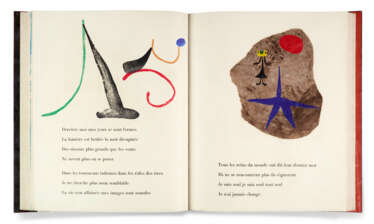

Joan Miró, a celebrated Spanish artist, was a master in painting, sculpture, and ceramics, renowned for his unique style that blurred the lines between Surrealism, Fauvism, and Expressionism. Born in Barcelona to a family of a goldsmith and a watchmaker, Miró grew up immersed in the rich cultural heritage of the Barri Gòtic neighborhood. His artistic journey began with drawing classes at the age of seven and continued at the prestigious La Llotja art academy. Despite an initial venture into the business world, Miró's passion for art prevailed, leading him to abandon his clerical career after a nervous breakdown.
Miró's work is noted for its exploration of the subconscious, often depicting a childlike perspective. This approach was both a critique of traditional painting methods and a means of expressing Catalan pride. His art, challenging to categorize, often featured symbolic elements and nationalistic qualities. One of his notable early works, "The Farm," reflects a transition to a more individual style, blending elements of his Catalan roots with broader artistic influences. This piece, later purchased by Ernest Hemingway, encapsulated the essence of Spain in its imagery.
In Paris, Miró joined the Surrealist movement in 1924, where his work began to reflect the influence of automatism, emphasizing spontaneous, automatic, or subconscious creation. He experimented with various mediums, including painting-poetry and collage, and even ventured into set and costume design for Sergei Diaghilev's Ballets Russes.
During World War II, Miró remained in Spain, and his work from this period, including the 22 Constellations series, reflected an interest in the night, music, and stars. His forms became increasingly abstracted, and he experimented with various techniques, often incorporating primary colors and evocative titles.
Miró's career spanned several decades, during which he continually evolved his style and explored new mediums. His contributions to art were recognized with numerous awards and retrospectives, including a major career retrospective at MoMA in 1941 and the Spanish Gold Medal for Fine Arts in 1980. Among his last major works was a tapestry for the World Trade Center in New York City, created in 1974.
For art collectors and enthusiasts, Joan Miró remains a figure of immense interest, not only for his distinct style and contributions to Surrealism but also for his ability to blend poetic imagery with political commentary. To stay updated on new product sales and auction events related to Joan Miró, sign up for our updates and immerse yourself in the world of this extraordinary artist.
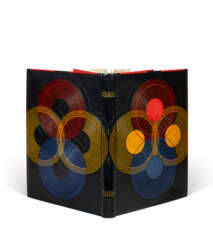

Georges Rouault was a French painter, printmaker and ceramicist whose profound works combined art and spirituality, making him a key figure in the contemporary art world. Born into a modest family in Paris during the turbulent times of the Paris Commune, Rouault's early exposure to art came through his grandfather's collection of lithographs by Honoré Daumier. His initial apprenticeship in a glazier's workshop had a profound influence on his artistic style, especially his work with stained glass, which later became a hallmark of his painting technique.
Rouault's career took a significant turn under the tutelage of Symbolist painter Gustave Moreau, who introduced him to avant-garde circles, leading Rouault into the Fauvist movement alongside Henri Matisse. However, Rouault's unique approach was characterized by a more instinctive and spontaneous style that was deeply influenced by Vincent van Gogh and which eventually led him to Expressionism. His works from this period, dealing with subjects such as courts, clowns, and prostitutes, served as a form of moral and social criticism, motivated by his deep Christian faith and concern for human nature. This period marked a significant evolution in Rouault's style; his paintings reflect a mixture of religious iconography and human suffering, demonstrating his mastery of conveying deeply emotional and spiritual stories.
One of Rouault's most notable contributions to art was his involvement in the scenography for Sergei Diaghilev's ballet The Prodigal Son and his famous series of paintings and prints such as Miserere. His later works are renowned for their explosive use of color and texture, highlighting his mastery of expressing the spiritual harmony and beauty of nature. The end of Rouault's career was marked by a gesture of humility and dedication to his craft: he destroyed a significant number of his unfinished works, feeling that he could not complete them to his satisfaction.
Rouault's legacy has been preserved through his impressive works in renowned museums and galleries around the world. His art continues to inspire and resonate with collectors, experts and lovers of art and antiques, serving as a testament to his enduring influence on the art world.
For those deeply interested in exploring the life and work of Georges Rouault, it is important to stay abreast of new discoveries, sales, and auction events related to his art. We encourage you to subscribe to updates so that you don't miss out on the opportunity to engage with the legacy of this remarkable artist. This subscription will be your gateway to the world of Georges Rouault, offering exclusive insights into his contribution to contemporary art.
Henri Creuzevault was a French publisher, bookbinder and restorer.
In his youth he worked alongside his father, the bookbinder Louis Creuzevault. Together with him, Henri participated in an exhibition at the Musée Gallière in 1928 and received his first award, and in 1930 he became the owner of the workshop. In addition to bookbinding, he began publishing luxury books, commissioning illustrations from contemporary artists. Since then, he has been involved in both publishing and bookbinding at the same time.
At the 1937 International Exhibition, Henri Creuzevault won the First Prize for bookbinding. In 1946, he participated in the creation of the Original Bookbinding Society and took part in its exhibitions and in various book events in France and abroad. He also won a gold medal at the 1954 Milan Triennale. In 1937, the city authorities of Paris commissioned him to make bindings for gifts to the English princesses Elizabeth and Marguerite, as well as for the Golden Book of the Albert I Monument.
With his work, Henri Creuzevault created a new aesthetic concept oriented towards the freest expressions of the modern art of bookmaking.

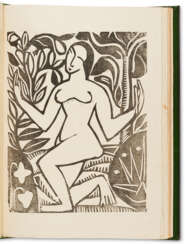

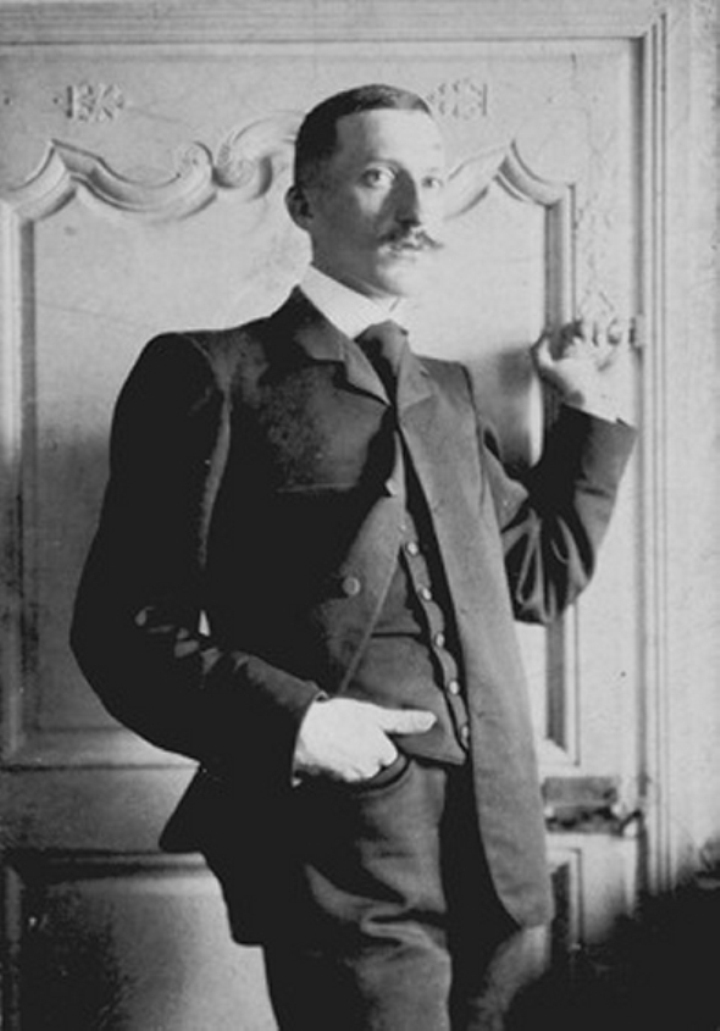
André Derain was a French artist, renowned as a painter, sculptor, and a pivotal figure in the development of Fauvism alongside Henri Matisse. Born on June 10, 1880, in Chatou, Yvelines, just outside Paris, Derain's artistic journey began in his youth. Despite initially studying to become an engineer, his passion for art led him to the Académie Julian and to acquaintances with notable artists like Matisse and Maurice de Vlaminck.
Derain's work, especially his paintings, is celebrated for its vibrant, expressive use of color and innovative compositions. His contributions to Fauvism, a movement characterized by the use of bold, non-naturalistic colors, marked a significant shift in the art world. The Fauvist period, particularly his collaboration with Matisse in the summer of 1905 in Collioure, culminated in works that were distinguished by their startling hues and wild brushwork, earning them the nickname "the wild beasts" or "les Fauves."
A notable period in Derain's career was his time in London in 1906, commissioned by art dealer Ambroise Vollard. His London series, including views of the Thames and Tower Bridge, are celebrated for their unique perspective and use of color, differing significantly from the traditional depictions of the city by artists like Whistler or Monet. These works stand out for their Pointillist influence and the effective conveyance of light and movement.
Derain's artistic evolution continued as he experimented with Cubism and was influenced by African art, as seen in his primitivist woodcuts for Guillaume Apollinaire's book "L'enchanteur pourrissant" (1909). His career, however, was not without controversy, particularly during World War II, when he was perceived as a collaborator due to his interactions with the Germans.
Despite the challenges and transformations in his career, André Derain left an indelible mark on the art world. His works are held in prestigious collections worldwide, including the Musée Cantini in Marseille and the Musée d'art moderne de Troyes. Derain's contribution to modern art, particularly through Fauvism, remains a subject of admiration and study among art collectors and experts.
If you're captivated by the artistic journey and pioneering spirit of André Derain, don't miss the opportunity to stay updated on his legacy. Sign up now to receive exclusive alerts on new product sales and auction events related to André Derain's work. Embrace your passion for art and culture, and ensure you're always informed about the latest offerings and unique pieces linked to this iconic artist.
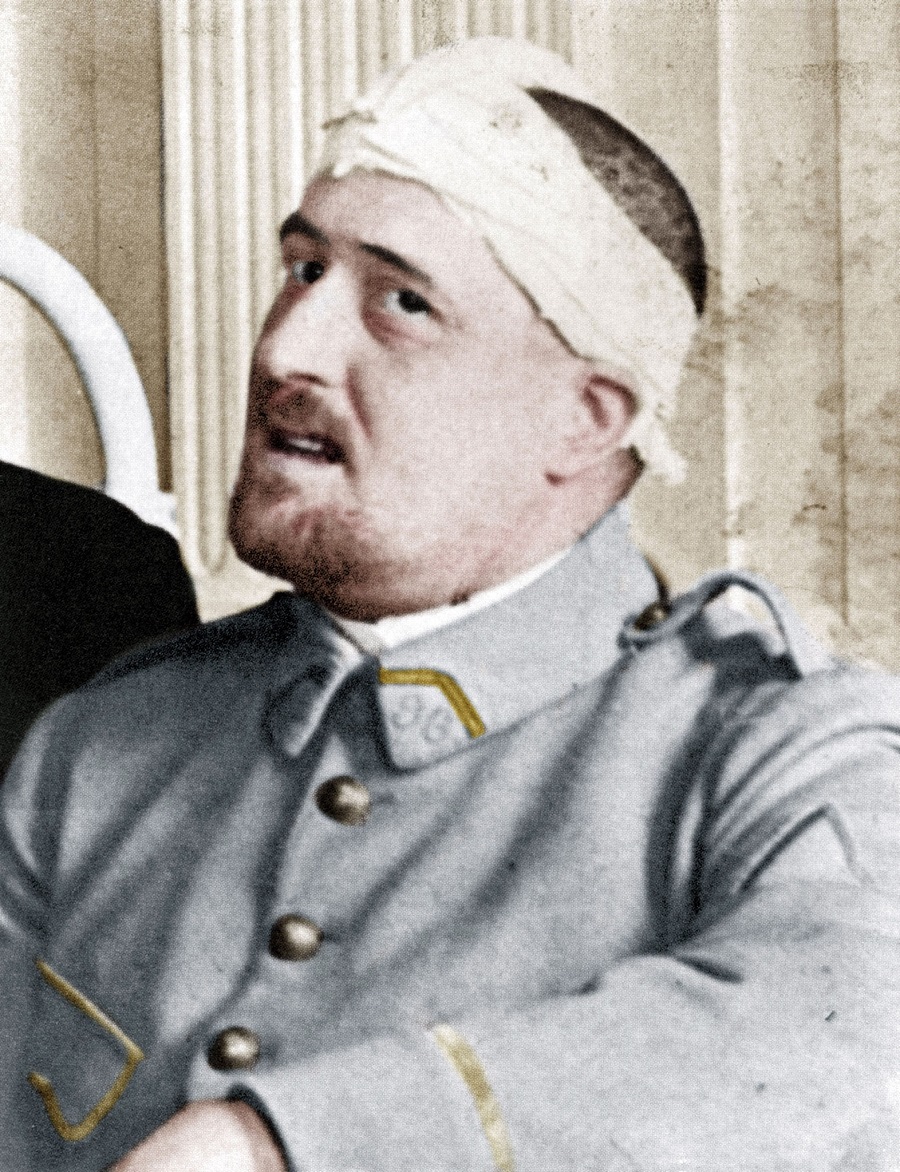
Guillaume Apollinaire, real name Wilhelm Albert Vladimir Apollinaris de Wąż-Kostrowicki, a French poet of Polish descent, was a towering figure in the early 20th century's literary and art scenes. Known for his experimental verse and support of avant-garde art movements like Cubism and Surrealism, Apollinaire's work pushed the boundaries of traditional aesthetics and inspired a generation of artists and writers.
Guillaume Apollinaire's literary contributions were vast and varied. He was an early advocate for Cubism, a relationship most prominently seen in his collaborations with artists like Pablo Picasso. He not only wrote about art but also collected it, surrounding himself with works by modernist masters such as Henri Rousseau and Georges Braque. His Paris apartment was a small museum of modern art, filled with pieces he often sold to support his literary endeavors. This vibrant artistic environment fueled his creativity, leading to major works such as Alcools and Calligrammes, which explored the possibilities of poetic form and typography to represent visual and verbal content in a unified way.
Despite his innovative work in poetry and art criticism, Guillaume Apollinaire's life was marked by personal challenges, including a grievous injury during World War I. Yet, even these difficulties did not hinder his prolific output. Among his notable works during this period was the play Les Mamelles de Tirésias, which was performed in 1917 and is considered a precursor to theatrical Surrealism.
Apollinaire's influence extended beyond his lifetime, particularly through his mentoring of future Surrealist leaders like André Breton. His forward-thinking approach to art and literature made him a central figure in the transition from traditional to modernist forms in both fields.
For collectors and experts in art and antiques, Guillaume Apollinaire's work represents a nexus of literary brilliance and pivotal artistic movements. His life and work provide fascinating insights into the dynamic and transformative world of early 20th-century art and literature.
Sign up for updates on auctions and sales events featuring items related to Guillaume Apollinaire. Stay informed about opportunities to acquire unique artifacts that celebrate his legacy in the realms of poetry and art.
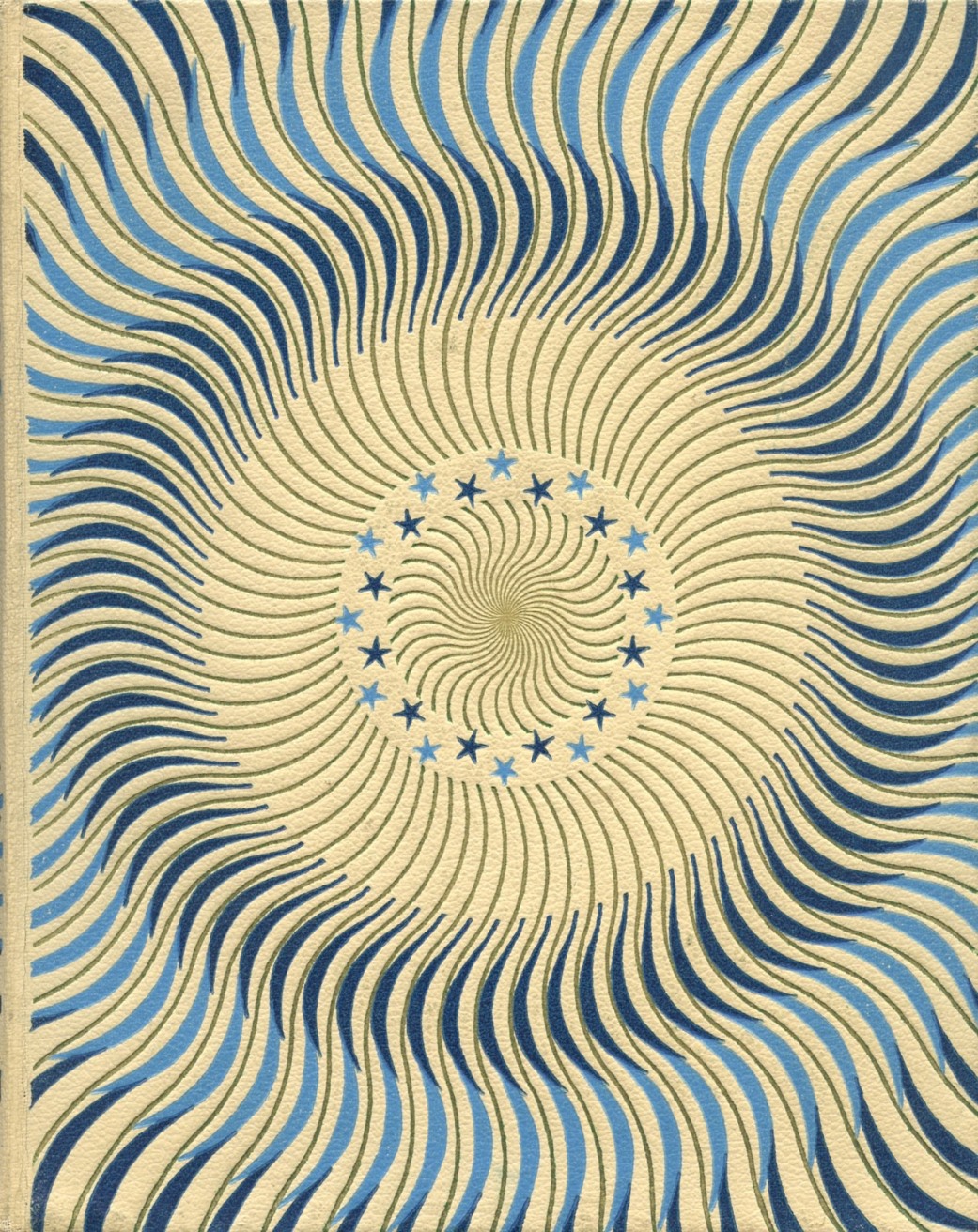
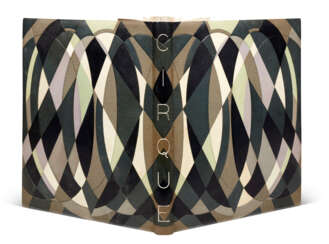
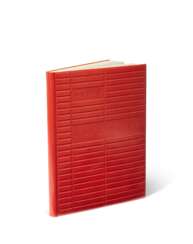
Paul Bonet, birth name Paul Joseph Ghislain Bonet, is a French bookbinder and bookbinding designer, Knight of the Legion of Honor.
Trained to make fashionable wooden mannequins, Paul Bonet worked in the fashion industry for several years and did not turn to bookbinding until 1920. His bright, colorful designs and prolific work made him famous. His first bindings were exhibited in 1925 at the Gallière Museum, then at the French Book Arts Exhibition, the Salon d'Automne and the Salon des Artistes Décoratifs, and his talent was recognized.
His decoration was particularly innovative. One of the great masters of French bookbinding, Paul Bonet became famous in the 1930s and 1940s for one of his signature patterns, "sunbeams." These patterns consist of many small lines with gold trim, carefully planned and giving the optical illusion of spatial depth.



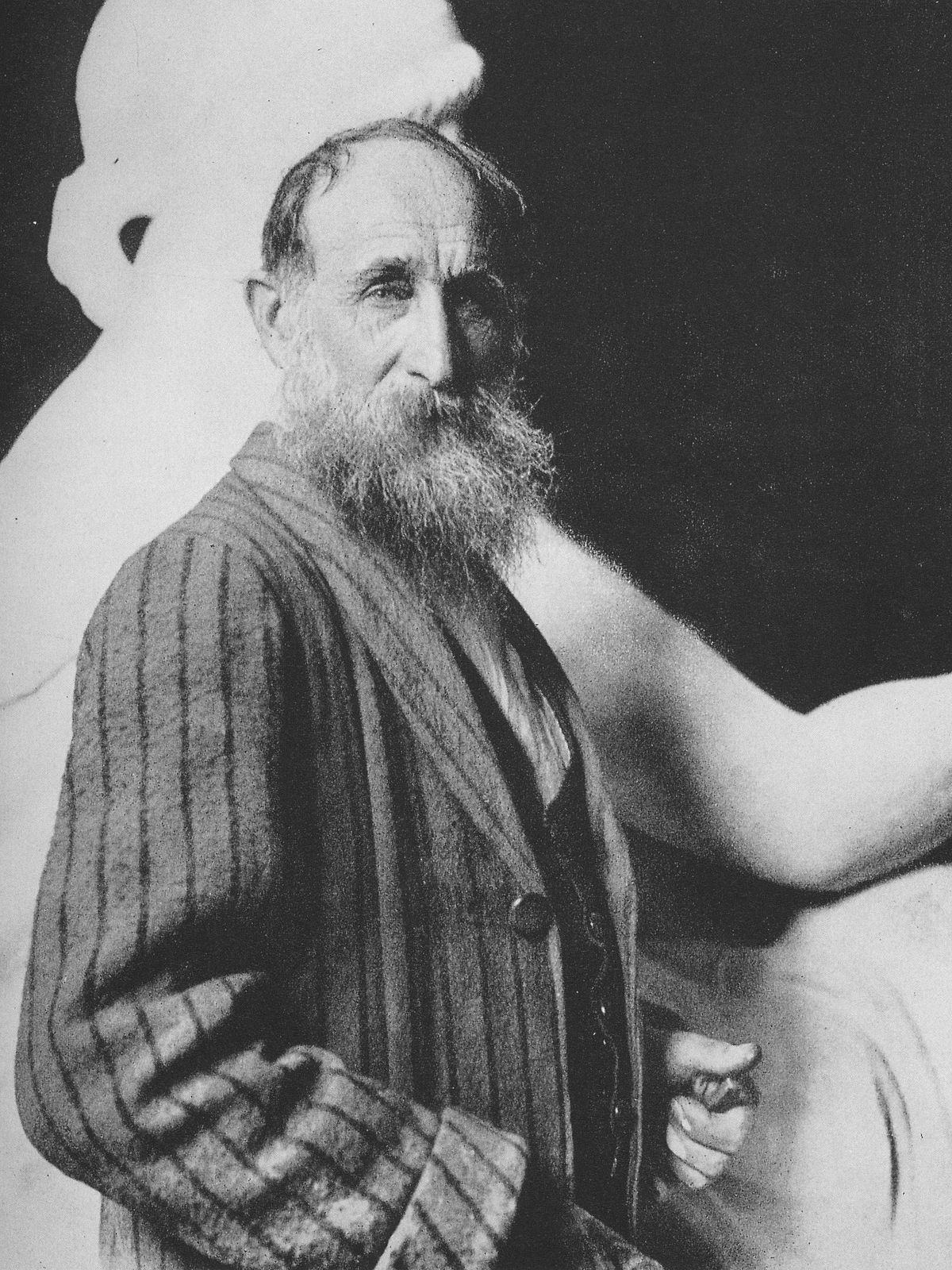
Aristide Maillol was a French artist. He was a painter, sculptor, and printmaker, and is best known for his sculptural works.
Maillol initially worked as a painter, but after seeing Auguste Rodin's sculptures in the early 1890s, he turned to sculpture himself. His early sculptures were influenced by the classical tradition, and often depicted female figures in a simplified, stylized form.
Maillol's sculptures are characterized by their smooth surfaces and simplified forms, which reflect his interest in the pure and timeless beauty of the human body. He often worked in bronze, and his sculptures were typically larger than life size.
In addition to his sculptures, Maillol also created prints, including lithographs and woodcuts. His prints were often based on his sculptural works, and reflected his interest in simplifying form and line.
Maillol continued to work and exhibit his art throughout his life, and his work was shown in galleries and museums around the world. Today, his sculptures are held in the collections of many prestigious institutions, including the Musée d'Orsay in Paris, the Museum of Modern Art in New York, and the Tate Gallery in London.

Aristide Maillol was a French artist. He was a painter, sculptor, and printmaker, and is best known for his sculptural works.
Maillol initially worked as a painter, but after seeing Auguste Rodin's sculptures in the early 1890s, he turned to sculpture himself. His early sculptures were influenced by the classical tradition, and often depicted female figures in a simplified, stylized form.
Maillol's sculptures are characterized by their smooth surfaces and simplified forms, which reflect his interest in the pure and timeless beauty of the human body. He often worked in bronze, and his sculptures were typically larger than life size.
In addition to his sculptures, Maillol also created prints, including lithographs and woodcuts. His prints were often based on his sculptural works, and reflected his interest in simplifying form and line.
Maillol continued to work and exhibit his art throughout his life, and his work was shown in galleries and museums around the world. Today, his sculptures are held in the collections of many prestigious institutions, including the Musée d'Orsay in Paris, the Museum of Modern Art in New York, and the Tate Gallery in London.